

Perimenopozda Hamile Kalınır mı?
Adetleriniz düzensizleşmeye başladı, aylarca gecikiyor, bazen hiç gelmiyor. “Artık bu iş bitti” diye düşünüyorsunuz — ve korunmayı bırakıyorsunuz ya da…

Trans Tıbbi Bakımından Neler Öğrenebiliriz?
Menopoz kliniklerinde genellikle konuşulmayan bir hormon var: testosteron. Oysa aynı hormon, trans sağlığı alanında yıllardır rutin, iyi anlaşılmış ve rahatlıkla…

Menopozda Cinsel Konfor
Menopoz döneminde pek çok kadın, cinsel hayatıyla ilgili yaşadığı değişikliği kimseyle -ne doktoruyla ne partneriyle ne de arkadaşlarıyla- paylaşamıyor. Oysa…

Menopozda “Her Beden”
4 Eylül Dünya Cinsel Sağlık Günü’nün bu yılki teması “Her Beden” — cinsel sağlığın, hakların ve hazzın yaş, hormon düzeyi…

Menopozda Uykusuzlukla Baş Etmek
Neden Artık Eskisi Gibi Uyuyamıyorsunuz? Gece yarısı gözünüzü açıyorsunuz, ter içindesiniz, nabzınız hızlanmış. Ya da hiçbir sebep yokken saat 4’te…
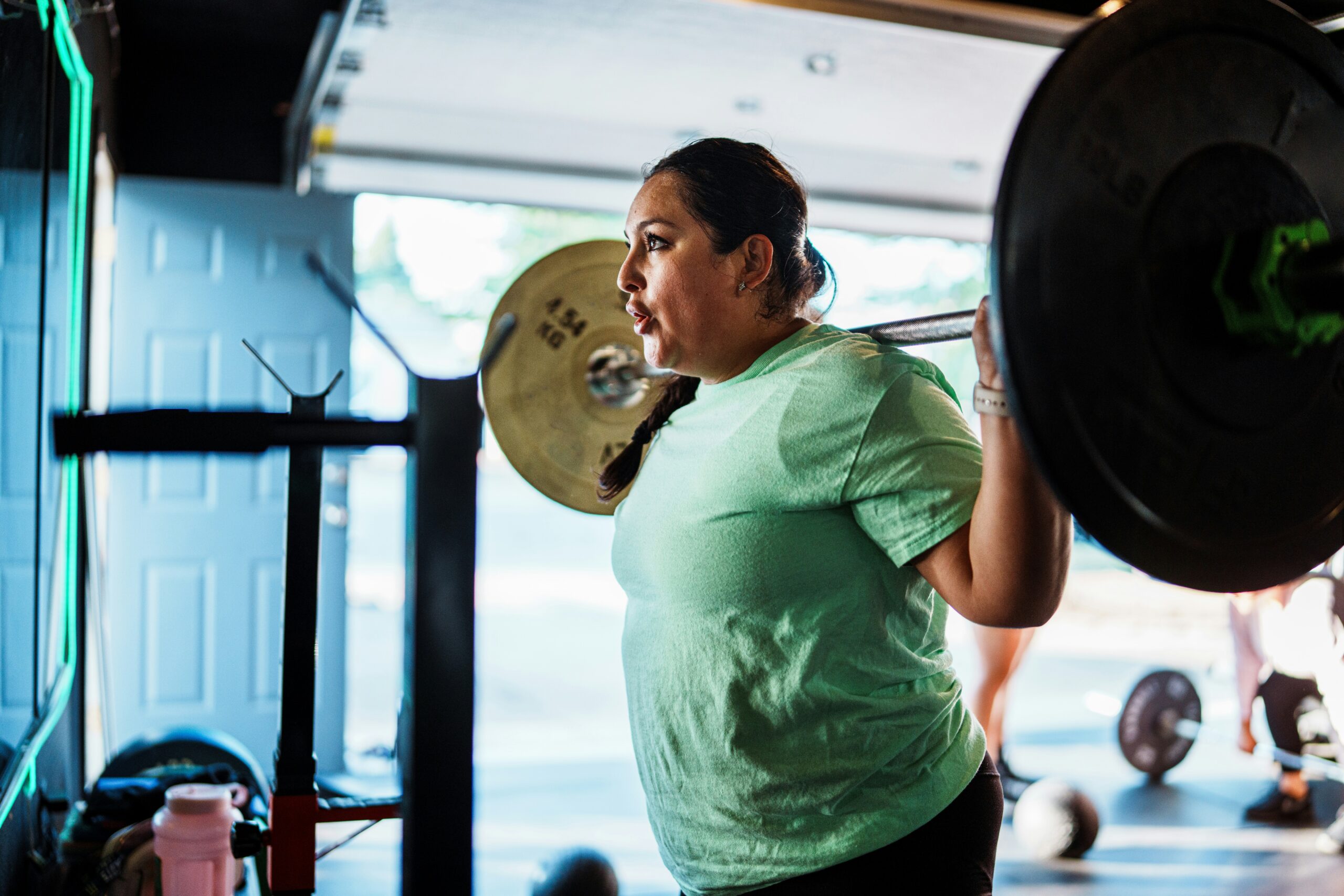
Menopozda Kuvvet Antrenmanı: Nereden Başlamalı?
“Artık çok geç kaldım” diye düşündüğünüz oldu mu hiç? Ağırlık kaldırmanın gençlere özgü bir şey olduğunu, sizin için artık “biraz…

Gen X Kadınları Artık Sesini Çıkarıyor
Bir zamanlar fısıltıyla, kapalı kapılar ardında konuşulan bir konuydu. Şimdiyse TikTok’ta, podcast’lerde, hatta ünlülerin röportajlarında karşımıza çıkıyor. Perimenopoz, özellikle 1965-1980…
What Does the Scandal in Spain Tell About?
Menopause Guide, Based on Research Conducted on Men… Sometimes a single mistake can summarize how an entire system works in just one document. In Spain…

Hormone Therapy and the Fear of Breast Cancer: Tracing a Flawed Legacy
“You have most likely heard the sentence ”Hormone therapy causes breast cancer” from somewhere – maybe from a friend, maybe from a doctor, maybe…

Communicating with a Partner: Getting Through Menopause Together
Although menopause seems like a process experienced alone, it actually directly affects the relationship at home. Hot flashes, sleep disturbances, mood...


What is menopause and what are its symptoms? Menopause is a natural life phase where the menstrual cycle permanently ends, and it typically begins worldwide between the ages of 45-55, at an average age of 51; in Turkey, this average is slightly earlier, ranging between 47-49 years.

What are the psychological changes experienced during the menopause process? During this process, psychological symptoms such as sudden mood swings, sleep problems, and anxiety are commonly observed, and this has a real biological basis:
Should hormone therapy be used during menopause? Hormone replacement therapy (HRT) can be used under medical supervision and through personalized evaluation to alleviate menopausal symptoms; it stands out as an effective option, especially for severe hot flashes, sleep disorders, and the risk of osteoporosis.

How should nutrition be during the menopause process? A balanced and calcium-rich diet is important to support bone health during menopause; NAMS recommends an intake of 1000-1500 mg of dietary calcium per day for postmenopausal women.

What is the importance of exercise in menopause? Regular exercise alleviates menopause symptoms and improves overall health; in particular, weight-bearing exercises (walking, resistance training) help maintain bone density, while cardiovascular exercises help support heart health and mood. Research shows that exercise improves sleep quality, reduces anxiety symptoms, and contributes to weight management. Exercise is not just symptom management, but a long-term investment.

Is it beneficial to join support groups during the menopause process? Yes, support groups increase emotional resilience and allow for the sharing of information. Scientific research shows that support group educational programs have significant effects on women accepting the physical, psychological, and social changes brought about by menopause.

What is perimenopause? Perimenopause is the transition period leading up to menopause, which can last on average between four and eight years; during this process, the ovaries produce progressively less estrogen, and the menstrual cycle becomes irregular and unpredictable—it can be lighter or heavier, more frequent or less frequent.

What is early menopause? Menopause occurring before the age of 45 is defined as “early menopause” and is seen in approximately 5 percent of women; whereas menopause occurring before the age of 40 is called ’premature ovarian insufficiency“ (POI) and its incidence is about 1 percent.

Is menopause the end of a sex life? No, this is a common but mistaken perception. With the decrease in estrogen, “genitourinary syndrome of menopause” (vaginal dryness, irritation, pain during intercourse) can develop, and this condition affects approximately 40 to 54 percent of postmenopausal women, but the majority of these women are never diagnosed.
What are the effects of menopause on the brain? About 60 percent of women experience cognitive changes called ’brain fog“ during the menopause transition, with symptoms such as difficulty finding words, forgetfulness, and distractibility. This is because the prefrontal cortex and hippocampus, which are responsible for memory and executive functions, are very rich in estrogen receptors; as estrogen decreases, the energy use and function of these regions are affected.

How long do menopause and perimenopause last? Perimenopause lasts an average of four to eight years, but in some women, it can extend up to ten years. Hot flashes, the most common symptom after menopause, last an average of three to five years, while for a fraction of women, they can last for a decade or even longer. According to an expert review conducted in Australia, some women even experience hot flashes into their 70s—demonstrating that it is not possible to give a single definitive answer to the question ’when does menopause end?“.